Where the work was done






You don’t win because you have the best people. You win because your system lets them make better decisions, more often, under pressure.
Where the work was done
Approach
Swoop is built on a simple realisation. The most common recurring high-consequence decisions that occur in organisations are complex. Conflating expertise with accountability is what fragments decision making. Information finds the wrong audience, the room isn’t set right, and decision makers don’t perform.
Time inside the environment before a single recommendation — watching how decisions actually get made, rather than how the org chart says they do.
Redrawing the points where information, authority and accountability meet, so the right call sits with the right person at the right moment.
Staying long enough for the change to hold under pressure, which is the only condition that counts.
I design the systems that sit behind good decisions, separating expertise from accountability, and working in the spaces between disciplines to draw alignment.
The model
01 / 05
Raw observations
→ Translation
under complexity
Background
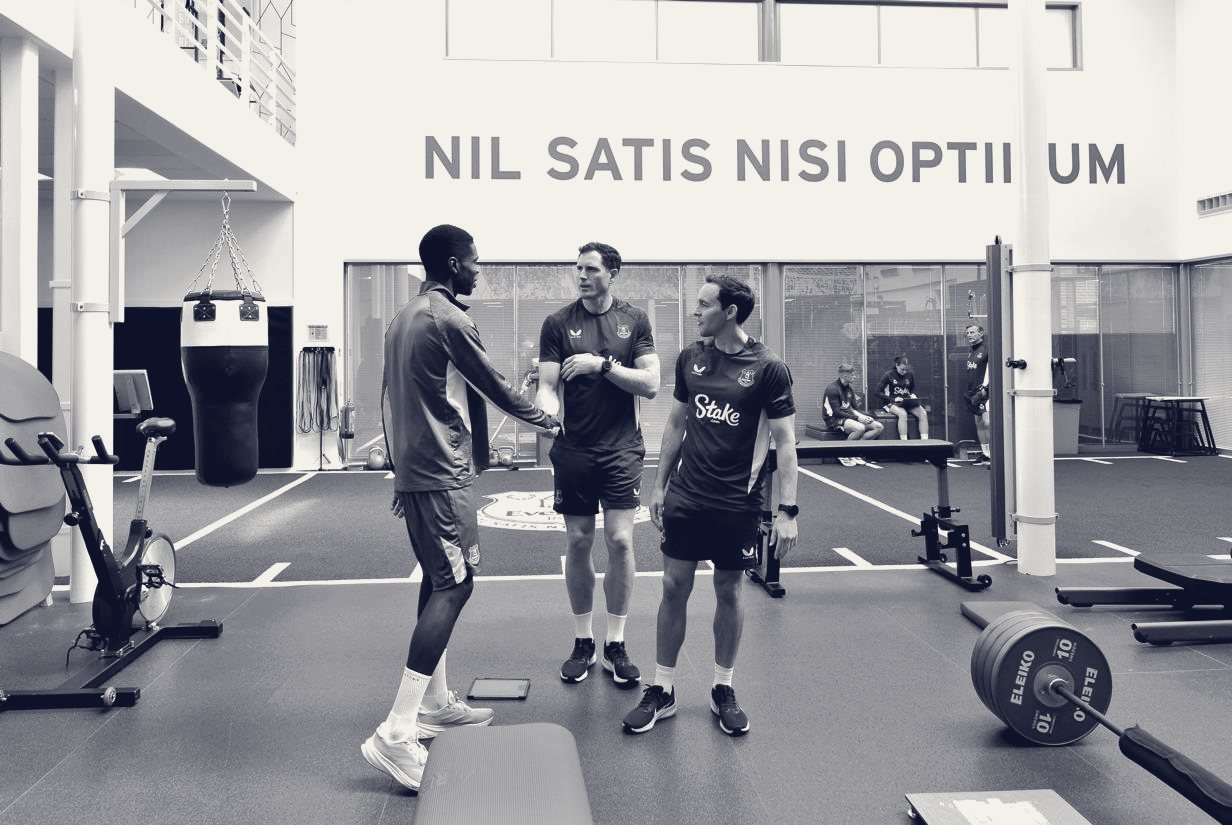
For nearly 20 years I was in the room. A leader in the highest profile high performing environments across five countries. I’ve seen firsthand what works and what doesn’t when the pressure is high and time is short.
I learnt about how good decisions get made, or don’t, when a large number of people, each holding their own slice of expertise, must act together under pressure with incomplete information.
I know what it costs a department when a recommendation arrives without an understanding of the politics of the room. That is the position I work from now.
Performance rarely breaks all at once. It erodes in the spaces between people, through small disconnects that compound. Swoop exists to work on those spaces.
 200820112013201620212022
Perspective
Confidentiality means most of this work can’t be named. Published thinking is the alternative — and for a practice built on judgment it is the better proof anyway.

The person with the most context is rarely the person highest up the structure.
Read article
Performance systems rarely break where you are looking. They break between the people.
Read article
Redrawing reporting lines is the most common response to underperformance, and the least reliable.
Read articleIf any of this resonates, I’d welcome the conversation.